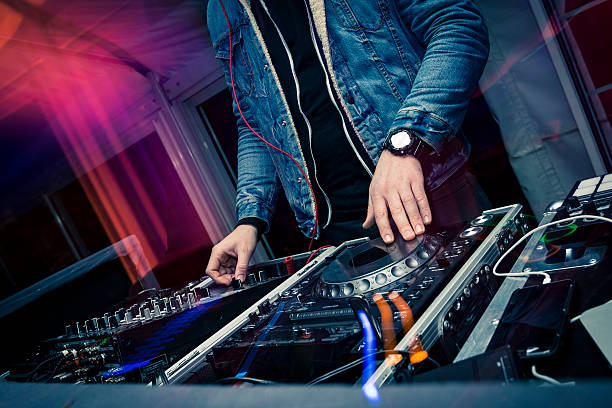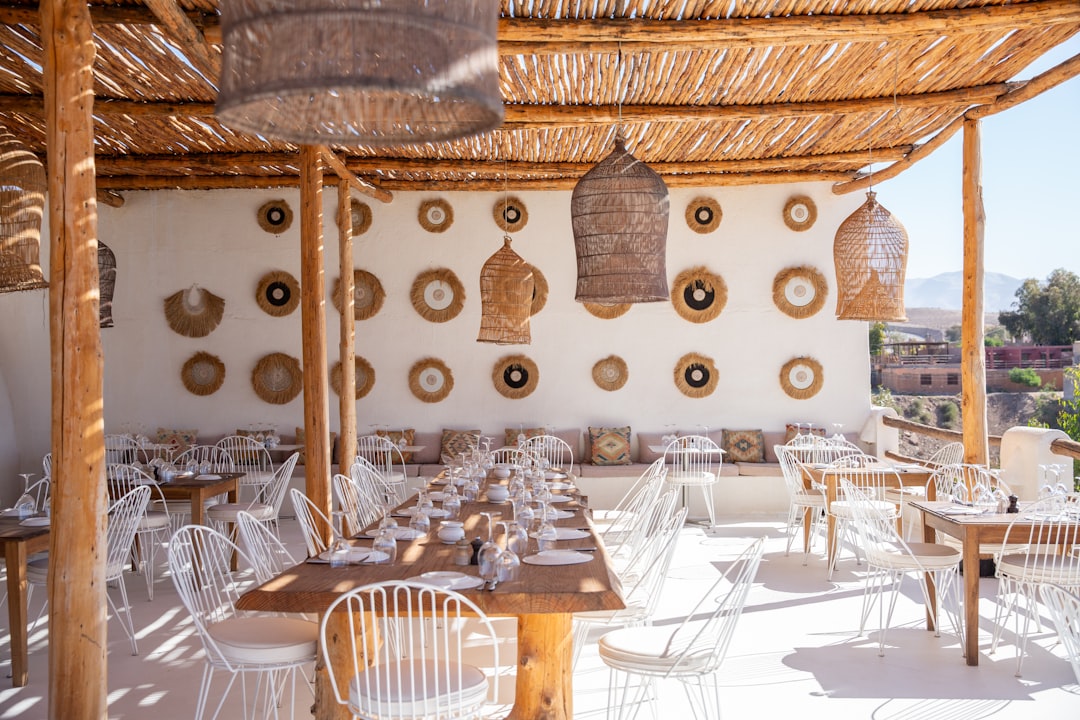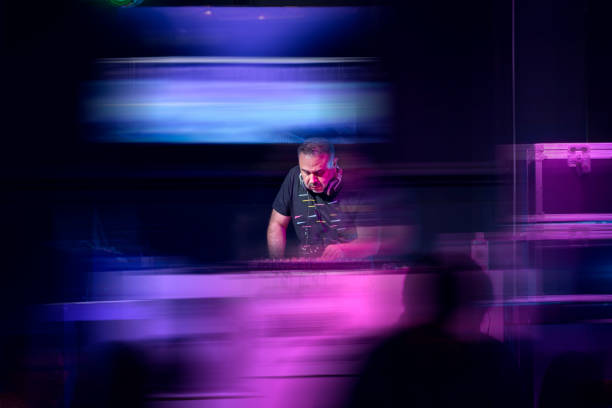

Your visual aesthetic is the vibe people clock before they even hear you mix. It’s not just a logo or a cute press shot. It’s the whole package: color palette, typography, photography, fit, stage setup, social grid, cover art, and maybe the way you light a room. If your sound is deep, late-night house and your Instagram is neon memes and gym selfies, the brand disconnect is real. The goal isn’t to be a supermodel DJ; it’s to make your look feel intentional, recognizable, and true to the music you actually play.
Start with a moodboard that’s messy on purpose. Pull screenshots from album covers, film stills, vintage flyers, fashion editorials, club interiors, sneaker campaigns, tattoo flash, architecture, whatever gives you that “yes, that’s me” feeling. Don’t overthink it. Save 30 to 50 images, then look for repeats. Maybe you keep coming back to bruised blues and chrome, or warm film grain and handwritten type, or brutalist concrete and sharp shadows. Those repeats are your clues. Your aesthetic is already in there; you’re just editing it into a language.
Then define a small visual toolkit. You don’t need a 60-page brand bible as an emerging DJ. You need a few anchors: two or three core colors, one or two fonts, a photo treatment, and a consistent approach to your logo or wordmark. If you’re a techno DJ with a hard, industrial sound, a soft pastel palette with bubbly type might fight your sets. If you play disco and soul, a stark black-and-white minimal look can work, but only if it feels like a deliberate contrast. The trick is matching energy, not copying genre clichés. Not every house DJ needs a smiley face, and not every bass artist needs glitch text.
Your wardrobe is part of the mix too. You don’t have to spend wild money on designer gear. You do need a stage look that reads clearly from the booth and feels like you. Build around a silhouette or uniform: a specific jacket, a rotation of graphic tees, dark utility fits, silver jewelry, a cap, a bold sunglass shape, whatever makes you feel locked in. The best DJ style looks like the person wearing it can actually move, sweat, and perform. Comfort is not the enemy of cool. A fit that lets you dance, twist knobs, and not overheat is way more professional than a look that only works for a photo.
Photography and socials are where your aesthetic gets tested. Instead of posting random blurry booth pics, think in a visual rhythm. Mix close-up detail shots with wider venue shots. Keep your editing consistent enough that someone could spot your post without seeing your handle. Use your color palette in cover art and story graphics. Make sure your logo doesn’t disappear against dark club photos. A simple test: screenshot three recent posts, drop them side by side, and ask if they look like they belong to the same artist. If not, tighten the filter.
Your aesthetic also has to flex across contexts. A club flyer, an EPK, a Spotify canvas, a merch drop, and a festival poster all need to feel related without being identical. Think of it like a remix: the same identity, different energy. A loud, high-contrast look might be perfect for a peak-time set but too much for a podcast cover. Build a couple of modes within your palette so you can go subtle for editorial photos and bolder for event promos. That flexibility keeps your brand from feeling like a one-trick pony.
Stage design is the next level. You don’t need a massive production budget. A small table lamp, a specific LED color, a textured backdrop, or a well-placed mirror can make your booth feel like your world. Coordinate with the venue on what’s possible. Bring a clean USB drive, yes, but also bring a visual intention. If you’re playing a dark warehouse, a single warm light can be more memorable than a chaotic laser show.
The biggest mistake is chasing a trend that doesn’t fit your sound. Visuals should amplify the music, not apologize for it. Your aesthetic can evolve as your taste evolves, but it should feel like a through-line, not a costume. Be consistent, be recognizable, and leave a little room for chaos. The goal is for someone to see a flyer, a fit, or a clip and think, “That’s them.” That’s when your visual aesthetic stops being decoration and starts being part of your DJ brand.