

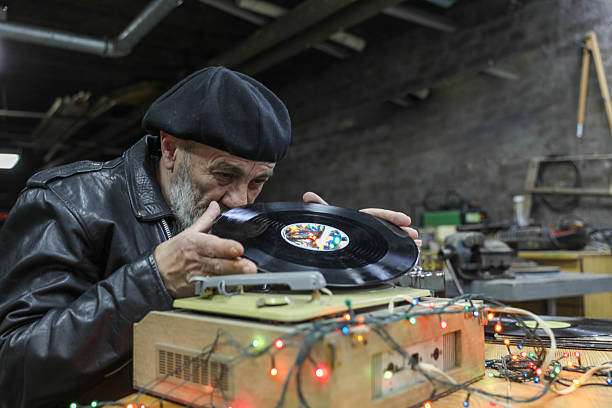
Let’s be real for a second—there’s nothing quite like the smell of a freshly cracked vinyl record, the weight of a 12-inch in your hand, or that warm crackle as the needle drops. But if you’re a DJ who tours, you know the dirty little secret: all that polyvinyl chloride (PVC) we’re spinning is a plastic nightmare. Vinyl records are made from PVC, a material that’s notoriously hard to recycle, and with global vinyl production hitting a thirty-year high, we’re pressing millions of pounds of plastic that will outlive our grandkids. Meanwhile, you’re lugging a flight case full of them from Miami to Berlin, burning jet fuel, and sweating over carbon offsets. That’s where the next wave of DJing meets the real future: sustainable touring tech that tackles the vinyl PVC problem head-on.
First, let’s talk about the elephant in the booth. PVC is the bad boy of plastics—toxic to produce, nearly impossible to break down naturally, and often landfilled or incinerated. But here’s the kicker: the DJ community is waking up. A growing number of initiatives are turning old records into new products, from slipmats to flight case liners, and even pressing new vinyl using recycled PVC compounds. Companies like Deepgrooves in the Netherlands and Green Vinyl Records in the UK are leading the charge, using recycled PVC pellets that cut carbon emissions by up to seventy percent compared to virgin material. They’re not just greenwashing either—these records sound just as fat, and they’re being adopted by pressing plants like Optimal Media in Germany. For the touring DJ, this means you can stock your crate guilt-free, knowing your copy of “Your Love” might have been someone else’s copy of a 1980s synth-pop B-side.
But the real game-changer for sustainable touring tech isn’t just what’s in your bag—it’s how you move it. Imagine a world where your entire vinyl collection lives on a solid-state drive the size of a pack of gum, but still gives you that tactile, beat-matched experience. That’s not a pipe dream. Brands like Denon DJ and Pioneer are already pushing hardware that reads high-resolution digital files of rare pressings, while startups like Rebeat Innovation are developing “polycarbonate-free” vinyl alternatives made from recycled ocean plastic. You could tour with a single USB key, a couple of slipmats, and know that every gig you play isn’t adding another pound of PVC to a landfill. Think about it: no more checking a fifty-pound record bag, no more customs headaches, no more worrying about your precious copies of Chicago house getting warped in a cargo hold. The vibe stays the same—the needle drop, the pitch fader, the crowd roar—but the environmental cost drops.
Then there’s the infrastructure side. Venues are starting to get on board with recycling programs specifically for DJs. Clubs like Berghain in Berlin and Smart Bar in Chicago have partnered with local recyclers to collect damaged records, slipmats, and even vinyl packaging from touring artists. Some festivals, like Movement in Detroit and Dekmantel in Amsterdam, now have backstage bins for PVC waste, and a few are even powering their stages with solar. For the traveling DJ, this is a huge win because it means you don’t have to be the only eco-warrior on the tour bus. You can talk to your agent, get your rider to include “all vinyl waste will be recycled,” and actually follow through. It’s not just about moral high ground either—fans notice. The crowd that’s coming to your set is Gen Z and younger Millennials, and they’re the ones who’ve made sustainability a core value. If you’re spinning vinyl but tossing it in the trash, you’re out of step.
Of course, there’s the practical stuff for the day-to-day road warrior. Swap your standard PVC slipmats for ones made from recycled cork or hemp—they grip better, anyway. Use reusable flight cases instead of plastic wrap. And when you inevitably drop a record and crack it, don’t just toss it. Mail it to a place like Vinyl Recycling Co., which turns dead discs into coasters, keychains, or even furniture. Some companies are even pressing new white labels from regrind PVC, so your next bootleg remix could be made from the leftovers of an old Fleetwood Mac pressing. That’s circular economy in action, and it’s the kind of hack that makes your rider look like you actually care about more than just the bpm.
Look, the future of DJing is still going to be about the groove, the crowd, the moment when the bass drops and everyone loses their minds. But the gear we use and how we move it is changing. Vinyl PVC recycling initiatives aren’t some niche eco-drama—they’re the blueprint for touring tech that actually lasts. As a DJ, you’re already a selector, a curator, a tastemaker. Why not select a future where your tracks don’t outlive the planet? So next time you’re packing for a tour, think about the plastic you’re carrying. The artform is eternal, but the material doesn’t have to be.