
If you’re building your global clubbing bucket list, the city of Barcelona isn’t just a layover—it’s a destination that demands its own VIP pass. And at the heart of that scene, pulsing through the Poble Nou district like a neon aorta, sits Razzmatazz. This isn’t just a club. It’s a five-room behemoth, a legend among Europe’s true temples of dance, and a rite of passage for any DJ who wants to understand what it means to move a crowd across multiple vibes in one night.
Let’s set the scene. You walk up to a massive, industrial exterior that looks like it could host a warehouse rave or a secret gig for your favorite indie band. That’s the energy. Razzmatazz doesn’t do subtle. It does epic. Inside, you’re not choosing one room and committing for the night—you’re picking your adventure. There’s the main room, Razzmatazz 1, which is the cathedral. It’s huge, with a massive dancefloor that feels like a festival stage indoors. The sound system here is crisp, designed to carry techno, house, and electro without muddling the lows. Then you’ve got Razzmatazz 2, which leans more intimate, perfect for deeper house or live sets. There’s also the Loft, which is where the underground heads go when they want to get weird with minimal or experimental beats. And let’s not sleep on the Pop room, where your friend who “only listens to pop” can actually vibe without side-eyeing the BPM. And yes, there’s a fifth room for extra flavor.
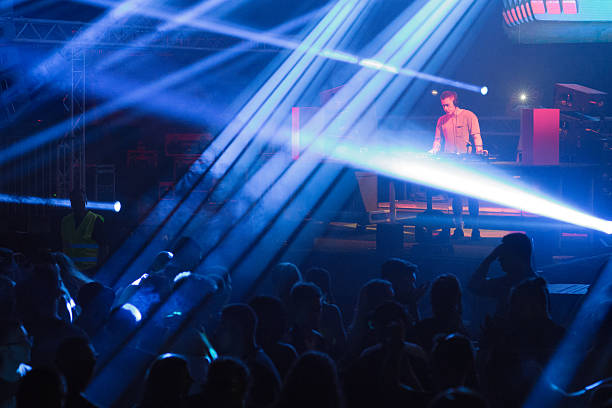
For a traveling DJ, this layout is a dream and a challenge. It’s a masterclass in pacing. You can start your night in the Pop room, warming up with some funky disco edits, then migrate to Razz 2 for a deeper tech-house groove, and finally ascend to the main room when the headliner drops the bomb at 2 AM. The crowd? It’s a beautiful chaos. Locals who have been coming for decades mix with tourists who stumbled in off Las Ramblas looking for a real night out. You get the Spanish love for late-night energy—things don’t really pop off until after 1 AM—and the international vibe of people who came here specifically because they read your bucket list article.
But why does Razzmatazz belong on the “Legendary European Temples” list? Because it’s not just a venue; it’s a time capsule. It opened in 2000, but its roots go deeper, occupying a former textile factory that already had history. Over the years, it’s hosted everyone from LCD Soundsystem to The Prodigy, from local Catalan techno legends to international house royalty. The walls have sweated through multiple decades of electronic music evolution. It’s a place where you can feel the ghost of Larry Levan’s dedication to sound quality or Frankie Knuckles’s gospel of inclusivity. The DJ booth in the main room is elevated, giving you that god-view of the crowd—a reminder that you’re not just playing tracks; you’re curating energy for hundreds of people who came to lose themselves.
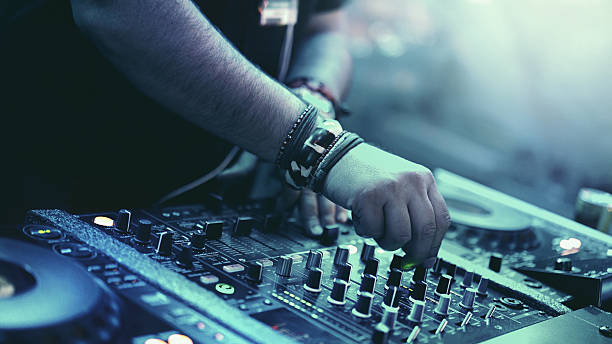
For the modern DJ reading this, Razzmatazz is also a lesson in gear and workflow. The main room runs on a Funktion-One system, which is basically the Rolls-Royce of club sound. If you’re used to mixing on headphones or crappy monitors, stepping behind that booth is a baptism. You can actually feel the sub-bass in your chest, and you have to adjust your EQ mixing to match the room’s natural resonance. It’s the kind of experience that makes you a better DJ in one night. And for your set, you want to bring tunes that respect the space—big, sweeping builds, heavy drops, but also moments of breathing room. The Spanish crowd loves a good crescendo.
Health-wise, if you’re a traveling DJ, Barcelona nights are a marathon. Razzmatazz doesn’t close until 6 AM, so you need to pace yourself. Stay hydrated, don’t skip the tapa before you go, and wear shoes you can actually dance in (sorry, the fashion boots have to sit this one out). The vibe is sweaty but friendly—no one’s judging your mixing if you accidentally cut a transition too early. They’re just happy to be there.
So add Razzmatazz to your bucket list not as a checkbox, but as a pilgrimage. It’s a temple where the music isn’t just played—it’s worshipped. And whether you’re behind the decks or on the floor, you’ll leave feeling like you just touched something sacred. That’s what a legendary European temple does.